The evolution of casinos tracing their fascinating history
Ancient Beginnings
The history of casinos can be traced back to ancient civilizations where games of chance were played for entertainment and fortune. Evidence from archaeological sites suggests that the Chinese, Egyptians, and Romans engaged in various gambling activities. The earliest known gambling games included dice and betting on the outcomes of sports events, reflecting a cultural fascination with chance and luck. Today, many enthusiasts seek out Bonus Casinos that build on this rich tradition of chance.
In ancient Rome, elaborate public games were held where participants could gamble on gladiatorial contests and chariot races. These events not only entertained the masses but also provided a platform for wagering, marking an early form of organized gambling. This connection between entertainment and gambling laid the groundwork for the future evolution of casinos.
The Rise of Formal Gambling Houses
As societies progressed, the need for structured gambling venues grew. The first official gambling houses emerged in the 17th century in Italy, where patrons could enjoy games in a dedicated setting. These establishments, known as “ridotti,” catered to the elite, offering an environment where socializing and gambling could occur simultaneously.
These early casinos set the stage for the modern gambling house, influencing other European countries to adopt similar establishments. The idea of luxury and exclusivity associated with these venues began to form the core identity of casinos, attracting not just gamblers but also tourists looking for leisure and excitement.
The Golden Age of Casinos
The 19th century marked the golden age of casinos, particularly with the establishment of iconic locations such as Monte Carlo in Monaco. This era saw an explosion in popularity, where casinos became synonymous with glamour and sophistication. The design of these venues often featured opulent architecture and lavish interiors, drawing in high-profile clientele and further cementing gambling as a social activity.
The introduction of new games, such as roulette and blackjack, alongside the rise of poker rooms, transformed the casino landscape. The public’s fascination with these games turned casinos into cultural landmarks, where fortunes could be made and lost in a single evening, capturing the imagination of many and contributing to a rich tapestry of gambling lore.
Modernization and Online Gambling
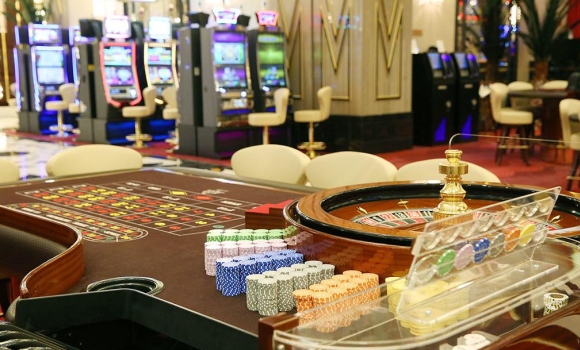
The late 20th century brought significant changes to the casino industry with the advent of technology and the internet. Traditional brick-and-mortar casinos began incorporating advanced gaming technology to enhance the player experience. This modernization included electronic slot machines and sophisticated gaming systems that catered to a tech-savvy audience.
The rise of online casinos in the 21st century revolutionized the gambling experience. Players could access their favorite games from the comfort of their homes, which broadened the appeal of casinos. This digital transformation not only retained existing gamblers but also attracted a new generation interested in online gaming, further expanding the industry’s reach and influence.

Understanding Casino Culture Today
Today, casinos represent more than just places to gamble; they are complex cultural phenomena that reflect societal values and trends. Different regions have developed unique casino cultures, from the lavish resorts of Las Vegas to the more understated venues in Europe. These establishments often serve as social hubs, where diverse groups gather to share experiences and celebrate wins together.
Moreover, the integration of entertainment, dining, and luxury accommodations has transformed casinos into multifaceted destinations. They are not merely places for gambling; rather, they offer complete experiences that cater to a wide array of tastes, ultimately redefining what it means to visit a casino.